We want to create the biggest online listing collection of Storage units around the world!
Please add you short stay storage unit rentals now.
Are you in need of a storage unit ? Don't look any further, as bookastorage unit offers storage units all around the world !
12 Storage units found
North America
Canada
United States of America
Alabama
Colorado
Connecticut
Kentucky
North Dakota
Europe
Netherlands
United Kingdom of Great Britain & Northern Ireland
List your storage unit on this page?
Add linkRenting a storage unit: a practical guide to choosing the right space
Life does not always fit in the space you have. You are moving house and the new place is not ready yet. You are renovating, going abroad for a year, running a small business from home, or you simply have more stuff than cupboards. A storage unit gives you extra room without moving to a bigger home, and you only pay for it for as long as you need it.
Storage facilities vary a lot in size, security, access and price. This guide walks you through the main types of storage, how to estimate the size you need, what you can and cannot store, and what to check before you sign a contract with one of the storage providers in this collection.
The main types of storage
- Indoor self-storage units are lockable rooms inside a larger building. You bring your own things, use your own lock or code, and come and go during opening hours. This is the most common type.
- Drive-up units have their own door on the outside of the building, like a garage. You can park right in front and unload directly, which is handy for heavy furniture, tools and business stock.
- Climate-controlled units keep temperature and humidity within a set range. They cost more, but are the safer choice for wooden furniture, paper archives, artwork, musical instruments, electronics and anything that can be damaged by damp or big temperature swings.
- Container storage uses shipping containers on a secured outdoor site. It is often cheaper and suits robust items, garden equipment and building materials.
- Mobile storage brings a container or crate to your home. You fill it at your own pace, and the company picks it up and stores it at their warehouse. Useful during moves and renovations.
- Small lockers and box storage are good for students, archives or a few boxes you do not want at home.
- Private and shared storage, such as a spare garage or attic rented out by a private person, is offered in some places through online platforms. It can be cheaper, but check the agreement and insurance carefully.
How much space do you need?
Choosing a unit that is too small is frustrating; choosing one that is too big means paying for empty air. Most providers have a size guide on their website, and many will help you estimate over the phone. As a rough idea:
- A locker or very small unit holds boxes, suitcases, seasonal items and sports gear.
- A small unit, about the size of a large walk-in wardrobe, fits the contents of a student room or a small studio.
- A medium unit, similar to a single garage, can hold the furniture of a one or two bedroom home.
- A large unit is suitable for the contents of a family house, or for business stock and equipment.
Make a list of your large items before you go, and remember that you can stack boxes high. Units are measured in floor area, but the height of the room is what often saves you money.
What you can and cannot store
Most things you would keep in a house can go into storage: furniture, boxes, clothing, books, sports equipment, business stock and documents. Every facility has its own rules, but almost all of them forbid:
- Flammable or hazardous materials, such as petrol, gas bottles, paint thinners and chemicals
- Food and other perishables, which attract pests
- Living things, including plants and animals
- Weapons, explosives and anything illegal
- Items that smell or leak
Vehicles are often only allowed in special units or parking areas, sometimes with the fuel tank nearly empty and the battery disconnected. Always check the rules of your facility before you move anything in.
Security and access
You are trusting a stranger's building with your belongings, so security matters. Look for a site with a fence and gate, individual access codes or key cards, camera surveillance, good lighting and an alarm on each unit if possible. Ask who else can access your unit; with most self-storage, only you hold the key or code.
Access hours differ a lot. Some facilities are open around the clock, others only during office hours. If you run a business or work irregular hours, make sure the access times fit your schedule. Also check practical things like the availability of trolleys, a lift for upper floors, and loading bays for vans.
Insurance
Your home insurance may not cover belongings kept in a storage unit, or only up to a limited amount. Many facilities require you to have insurance and offer their own policy. Compare the cover, the excess and the maximum value per item, and keep an inventory with photos of what you store. It takes an hour and makes any claim much easier.
What determines the price
The main factors are the size of the unit, the location (city centre storage costs more than a site on the edge of town), climate control, and how long you rent. Many providers offer discounts for the first weeks or for longer contracts, but look at the regular price too, since that is what you will pay afterwards. Ask about deposits, admin fees, the cost of a lock, the notice period and whether prices can go up during your rental.
Packing tips that save space and trouble
- Use sturdy boxes of the same size so they stack safely.
- Label every box on the side, not just the top, and keep a list of what is inside.
- Put heavy items at the bottom and in small boxes, light items on top.
- Take furniture apart where possible and keep screws in a labelled bag taped to the piece.
- Cover furniture with sheets or blankets instead of plastic, which can trap moisture.
- Leave a walkway to the back so you can reach things without unpacking everything.
- Keep items off the floor on pallets if there is any risk of damp.
Questions to ask before you sign
- What are the access hours, and how do I get in?
- Is the unit climate-controlled, and is it dry?
- What insurance is required, and what does it cover?
- What is the minimum rental period and the notice period?
- Are there extra fees for admin, locks or ending the contract?
- Can I switch to a larger or smaller unit later?
- Is there parking and a trolley or lift for unloading?
Find storage near you
The storage providers on this page are grouped by continent, country and region, so you can quickly find options where you need them. Each link takes you to the provider's own website to check sizes, prices and availability. Do you run a storage facility? Add your link to the collection for free with the button above.
Looking for an awesome place to spend your holiday?
Or want to advertise your houseboat, lighthouse, treehouse or glamping?
Check these links below!
Blog posts
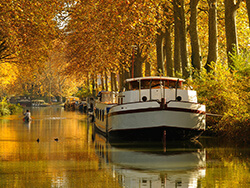
Barge river cruises in France
River cruises in France are the next luxury holiday destination. Cruise your private barge with cook down the French rivers.
Read more..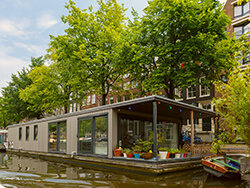
Rent a houseboat in Amsterdam
A houseboat is a great place to stay when visiting Amsterdam. Stay close to the city center but have a lot of private space.
Read more..